

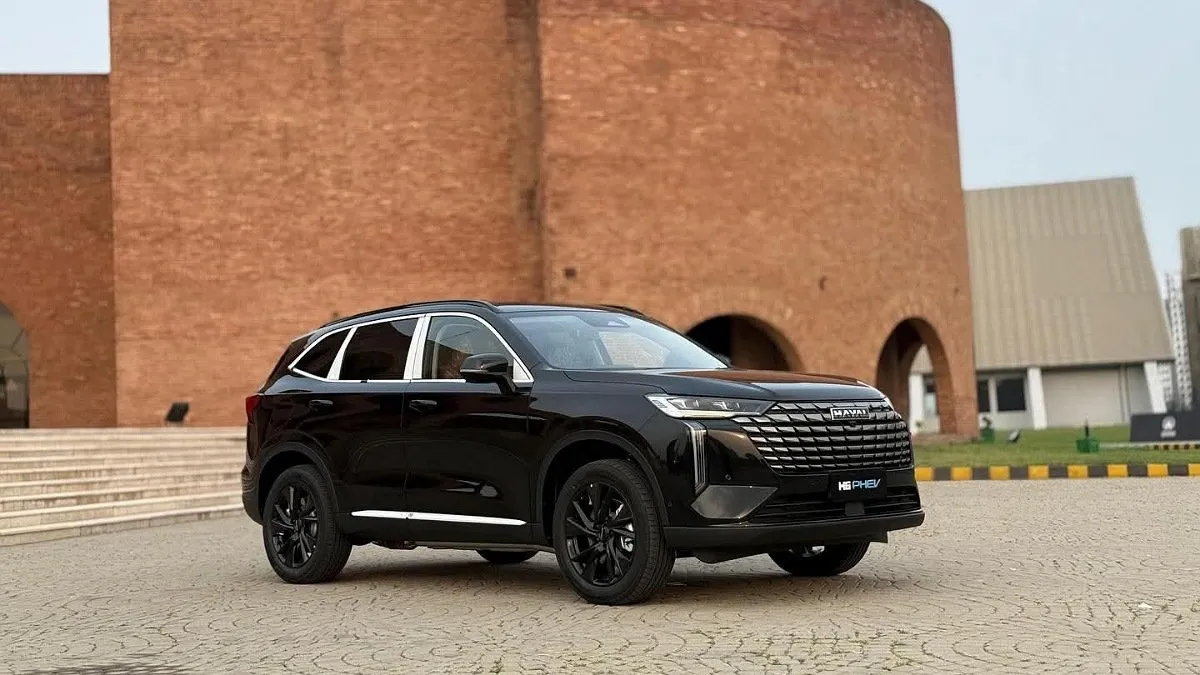
Luxury Cars in Pakistan – The Evolving Taste of Premium Automotive Excellence
Introduction: The Rise of Luxury Cars in Pakistan
The automotive market in Pakistan is evolving rapidly, and the demand for luxury cars has reached an all-time high. With increasing purchasing power and global exposure, Pakistani buyers are turning to premium vehicles that combine comfort, technology, and class. Brands like Mercedes-Benz, BMW, Audi, Lexus, and Porsche are now more visible on Pakistani roads than ever before.
These luxury cars symbolize not only status but also a passion for innovation, performance, and design. From Karachi to Islamabad, the streets are witnessing a growing number of imported and locally supported high-end vehicles.
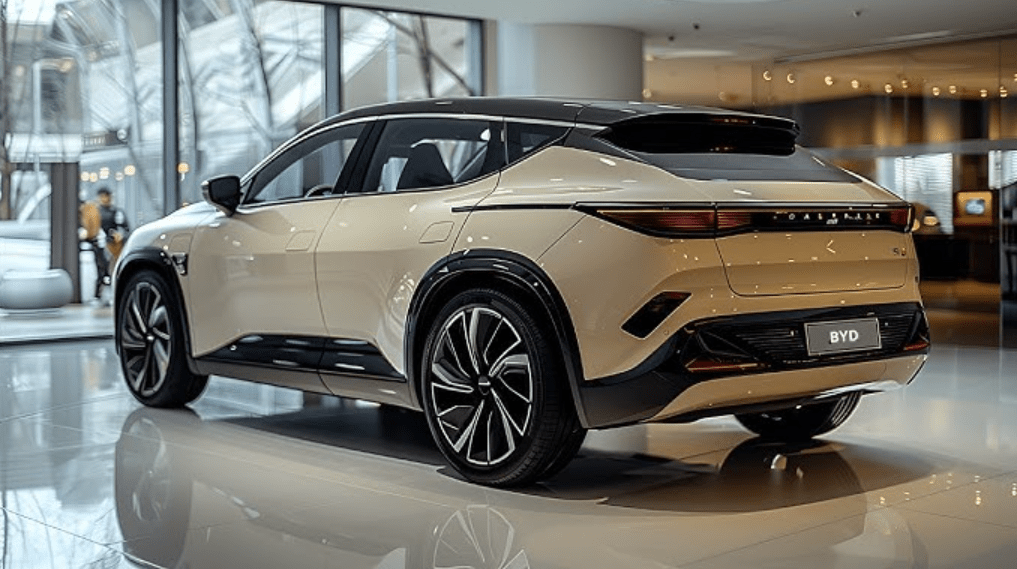
Top Luxury Car Brands in Pakistan
Pakistan’s premium automobile market offers an impressive range of brands. Let’s explore the most popular names dominating the luxury car segment:
1. Mercedes-Benz
Mercedes remains the pioneer of luxury cars in Pakistan. The brand is known for its S-Class, E-Class, and GLE models that offer unmatched sophistication, safety, and comfort. The price range typically starts from PKR 25 million and goes beyond PKR 70 million, depending on the variant and import duties.
2. BMW
The BMW 5 Series, X5, and 7 Series are among the top-selling luxury vehicles in Pakistan. BMW’s advanced driving features and premium interiors have made it a top choice for executives and entrepreneurs alike. The BMW X7 is especially popular for its bold design and elite comfort.
3. Audi
Audi Pakistan continues to capture the attention of the youth and professionals. The A6, A8, and Q7 models offer modern technology, stunning interiors, and fuel-efficient engines. The Audi e-tron, Pakistan’s first popular electric luxury SUV, has further strengthened the brand’s position.
4. Lexus
Lexus, the luxury division of Toyota, provides an ideal mix of reliability and elegance. Models like the Lexus RX, ES, and LX 570 are known for their smooth performance and luxurious appeal, often chosen by business leaders and diplomats.
5. Porsche
When it comes to sporty elegance, Porsche leads the way. The Cayenne and Panamera are seen as symbols of power and exclusivity in Pakistan. Though expensive, the demand for Porsche continues to grow among the elite class.
-
Best Luxury Cars 2025:
Luxury Car Prices in Pakistan
The price of luxury cars in Pakistan varies depending on the make, model, and import taxes. As of 2025:
| Brand | Model | Approx. Price (PKR) |
|---|---|---|
| Mercedes-Benz | S-Class | 70,000,000+ |
| BMW | X7 | 65,000,000+ |
| Audi | e-tron | 50,000,000+ |
| Lexus | LX 570 | 75,000,000+ |
| Porsche | Cayenne | 80,000,000+ |
Note: Prices fluctuate based on customs duties, exchange rates, and model specifications.
The Growing Trend of Electric and Hybrid Luxury Cars
Pakistan’s auto market is now witnessing a shift toward electric and hybrid luxury vehicles. With increasing fuel costs and environmental concerns, buyers are showing interest in eco-friendly models like:
-
Audi e-tron
-
BMW iX
-
Mercedes EQS
-
Lexus UX Hybrid
These cars are reshaping the future of luxury transportation in the country by combining sustainability with performance.
Challenges in the Luxury Car Market
Despite its rapid growth, the luxury car industry in Pakistan faces certain challenges:
-
High import duties and taxes
-
Limited after-sales service and spare parts
-
Currency fluctuations are affecting prices
-
Inadequate infrastructure for electric vehicles
However, with new automotive policies and dealership expansions, the market outlook remains optimistic.
Why Pakistanis Love Luxury Cars
Luxury cars are more than vehicles — they’re an expression of success and lifestyle. Buyers in Pakistan prefer:
-
Comfortable interiors
-
Advanced infotainment systems
-
Powerful engines
-
Cutting-edge safety features
For many, owning a luxury vehicle like a Mercedes or BMW represents achievement and prestige.
Future of Luxury Cars in Pakistan
As Pakistan moves towards modernization, luxury car dealerships and imports are expected to grow significantly. Government incentives for electric and hybrid vehicles will attract global brands to invest locally. By 2030, Pakistan could see locally assembled premium cars, making luxury vehicles more accessible.
Conclusion
The market for luxury cars in Pakistan reflects the nation’s evolving lifestyle and economy. Whether it’s the elegance of Mercedes-Benz, the sporty feel of BMW, or the innovation of Audi, Pakistan’s auto enthusiasts have a growing appetite for premium mobility.
As technology advances and the nation embraces electric innovation, Pakistan is on the road to becoming a significant hub for luxury and performance automobiles.