

Introduction
The Toyota Century stands as a symbol of understated refinement, Japanese craftsmanship and elite executive mobility. First launched in 1967, this flagship model from Toyota Motor Corporation has served senior government officials, diplomats and business tycoons in Japan—and now it is evolving globally. With the 2023 SUV debut and Toyota’s decision to spin Century into a dedicated ultra-luxury marque, the Century is entering a new chapter.
Car and Driver+4Wikipedia+4トヨタ自動車株式会社 公式企業サイト+4
Heritage and Legacy
-
The name “Century” honours the 100th anniversary of the founder of Toyota Industries, Sakichi Toyoda (born 1867). Wikipedia
-
Since 1967, the Century has maintained a dignified, conservative design language, hand-crafted finishes, and served as Toyota’s top-of-the-line model long before Lexus existed. Wikipedia+1
-
Historically reserved for Japan only, the Century’s exclusivity is part of its allure. Wikipedia
Model Evolution & Key Milestones
Third-Generation Sedan (2018-Present):
-
Introduced in June 2018, this version combines a 5.0 L V8 hybrid system, ultra-quiet cabin, and bespoke materials. Wikipedia
-
Production remains extremely limited, favouring hand craftsmanship and very low annual volumes.
Century SUV (2023):
-
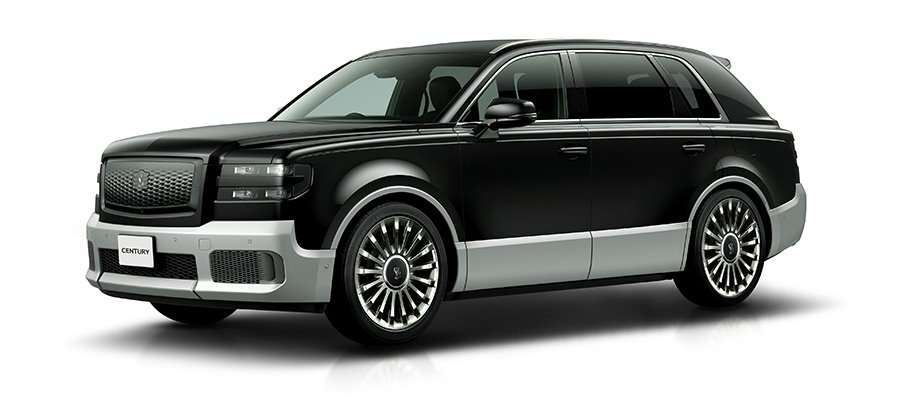
Unveiled in September 2023, built on the GA-K platform, marking the first time the Century name was applied to an SUV. Team-BHP.com+1
-
Plug-in hybrid system (3.5 L V6 + electric motors) with all-wheel drive, revised rear-seating comfort and new styling cues. CarSifu+1
Brand Elevation (2025):
-
In October 2025, Toyota officially positioned Century as a separate ultra-luxury brand above Lexus, signalling its ambitions to rival the likes of Bentley and Rolls‑Royce. Car and Driver+1
-
The concept “One of One” and further bespoke offerings suggest extremely exclusive releases. Paul Tan’s Automotive News
-
Toyota Luxury Sedan
Design, Craftsmanship & Technical Highlights
-
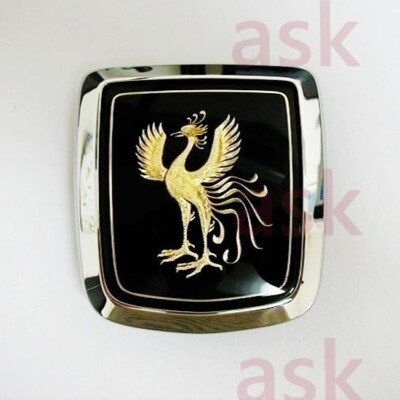
Exterior design draws on the mythological phoenix emblem that appears as the Century badge, reflecting dignity and tradition. Wikipedia+1
-
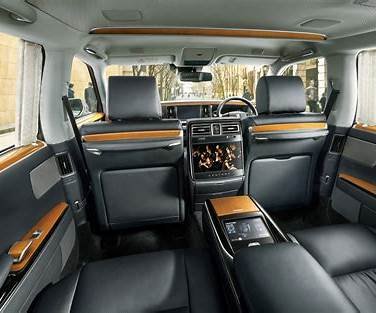
The interior features master-crafted wood panelling, wool upholstery, and finishes that rival handmade small-batch luxury cars. Wikipedia
-
In the 2023 SUV version, features include “Rear Comfort Mode” to maintain smooth deceleration, quiet laminated glass partitions, and rear occupant comfort emphasis. CarSifu
-
Hybrid powertrains focus on smoothness, quietness and eco-credentials rather than raw sport performance. For instance, the SUV’s claimed electric range is about 69 km in EV mode. Team-BHP.com
-
Japanese luxury car brand
Market Position & Global Strategy
-
The Century historically catered primarily to the Japanese market with extremely limited exports. Wikipedia+1
-
With the brand’s elevation, Toyota aims to take a more global approach to ultra-luxury, though select markets remain targeted at first. DIE WELT
-
Reports indicate that the brand will focus on ultra-low-volume, highly customisable builds, putting it in direct competition with ultra-luxury marques. Paul Tan’s Automotive News
-
Toyota flagship model
Pricing & Availability Insights
-
In Japan, the 2023 SUV version was launched at around 25 million yen (~US $183,000) and limited to just ~30 units per month. CarSifu+1
-
In Pakistan, not officially imported by Toyota through local dealer networks, but grey-market indications suggest MSRP values around PKR 50–60 million+ for imported units. CcarPrice
-
Given its exclusivity and handcrafted nature, the Century is not a high-volume luxury sedan—it’s aimed at a niche clientele seeking the highest level of automotive refinement.
-
Toyota Century SUV
Why the Century Matters & Key Differentiators
-
It emphasises quiet luxury, elevating passenger comfort over flashiness— a departure from many luxury marques that emphasise performance and flamboyance.
-
Toyota’s decision to spin it off as a standalone brand signals that it acknowledges the need for a “top of the top” halo brand beyond Lexus.
-
The craft, heritage and bespoke nature appeal to clients who value exclusivity, refined materials and chauffeur-driven comfort.
-
The shift to include an SUV version aligns with global luxury trends (large-bodied luxury SUVs), ensuring relevance and modernity.
-
Century vs Lexus LS
Considerations for Pakistan Buyers & Collectors
-
Import taxes and duties: Vehicles imported into Pakistan face high customs and duties, making ownership extremely expensive.
-
Service and parts: As a very low-volume model, parts availability might be limited, and special service expertise might be required.
-
Exclusivity vs practicality: While sending a statement of status, practicality (maintenance cost, fuel, etc.) may differ from mainstream luxury cars.
-
Resale value: The rarity helps for collectable value, but market recognition outside Japan may still be limited.
-
Right-hand drive (RHD) vs left-hand drive (LHD): Ensure legal compliance and local registration rules when importing.
-
Premium Toyota car
Future Outlook
-
As an ultra-luxury vehicle brand, clarity on global availability, electrification strategy, and bespoke one-off programmes will define its next decade.
-
The concept coupe teased for 2025 suggests the brand may explore radically different body styles and highly exclusive models. Autoweek
-
Given Toyota’s global electrification goals, future Century models may adopt all-electric platforms or advanced hybrid/electric powertrains, further aligning with premium sustainability.
-
In Pakistan and other regions, demand for exclusive Japanese luxury cars could grow, positioning the Century as a niche but highly desirable choice for collectors.
-
Toyota hybrid luxury
Conclusion
The Toyota Century is more than just a luxury car—it is a statement of Japanese engineering mastery, understated prestige and bespoke refinement. With its elevation to a standalone ultra-luxury brand, the Century now stands poised to reach a global audience that values craftsmanship, exclusivity and tradition over flash. For buyers and collectors seeking the epitome of comfort, quietness and status, the Century remains one of the most compelling luxury automobiles in the world.
-
Toyota Century interior